Menu

Rehabilitation Techniques for Pets with Aggressive Behaviors

Aggressive behaviors in pets can arise from various emotional and environmental factors. Effective rehabilitation techniques, including positive reinforcement and desensitization, play a crucial role in addressing aggression. Understanding triggers and fostering a safe environment enhance pet well-being, promoting harmonious relationships between pets and their owners.

Desensitization Techniques for Pets with Fears and Anxieties

Fear and anxiety in pets can lead to destructive behaviors and affect their quality of life. Implementing desensitization techniques, such as gradual exposure and counter-conditioning, helps pets confront their fears. By creating a safe environment and maintaining consistency, pet owners can nurture calmer, more confident companions, enhancing their bond and home harmony.

Training Pets in Rural Environments: Adapting Methods for Open Spaces

Training pets in rural environments requires innovative methods to navigate unique challenges like wildlife distractions and varied terrains. Adapting techniques, utilizing natural boundaries, and engaging in community learning enhance obedience and socialization. By leveraging open spaces, pet owners can foster deeper connections while ensuring their pets thrive in nature.

Pet Training in Small Spaces: Effective Strategies for Apartments

Training pets in small spaces, particularly in apartments, presents unique challenges. By utilizing vertical spaces, interactive toys, and consistent routines, owners can create engaging environments. Emphasizing mental stimulation, safety, and socialization ensures pets thrive despite limited room, fostering a harmonious living experience for both pets and their owners.

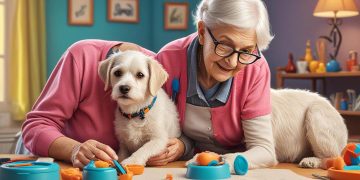
Pet Training for Seniors: Adapting Techniques for Special Needs

This article emphasizes the importance of adapting pet training techniques for seniors, considering their unique cognitive and physical needs. It explores strategies like positive reinforcement, sensory engagement, and simplified communication to enhance the bond between seniors and their pets, ultimately improving both their well-being and companionship.

Training Small Mammals: Methods for Hamsters, Rabbits, and Guinea Pigs

The article explores effective training methods for small mammals like hamsters, rabbits, and guinea pigs. It emphasizes positive reinforcement, environmental enrichment, and socialization strategies to enhance behavior and strengthen the bond between pets and owners. By dedicating time to training, pet owners can create joyful and harmonious living environments.

Group Training for Pets: Advantages and Strategies for Group Classes

Group training for pets offers numerous benefits, including enhanced socialization, cost-effectiveness, and motivation through peer engagement. These classes foster skill development, address behavioral issues, and create a supportive community among pet owners. Embracing group training can lead to well-rounded pets and stronger owner-pet bonds.

Puppy Socialization Methods: Preparing Them for the World

Puppy socialization is crucial for developing confident, well-adjusted dogs. Effective methods include exposing puppies to diverse people, environments, and sounds, along with interactions with other dogs. By utilizing positive reinforcement and engaging in local experiences, owners can ensure their puppies thrive in the world around them.

Puppy Socialization Techniques Ready Your Pet for Healthy Interactions

Puppy Socialization Techniques Ready Your Pet for Healthy Interactions" emphasizes the importance of exposing puppies to diverse environments, people, and animals. The article highlights methods for reducing anxiety and fostering confidence, ensuring your puppy develops into a well-adjusted, sociable adult dog.

Master Positive Reinforcement Techniques for Motivated Dog Training

Discover how to transform dog training with positive reinforcement techniques. Learn effective methods to motivate your pet, strengthen the bond, and encourage desirable behavior through rewards and praise. This approach not only enhances obedience but also fosters a joyful and cooperative relationship with your furry friend.