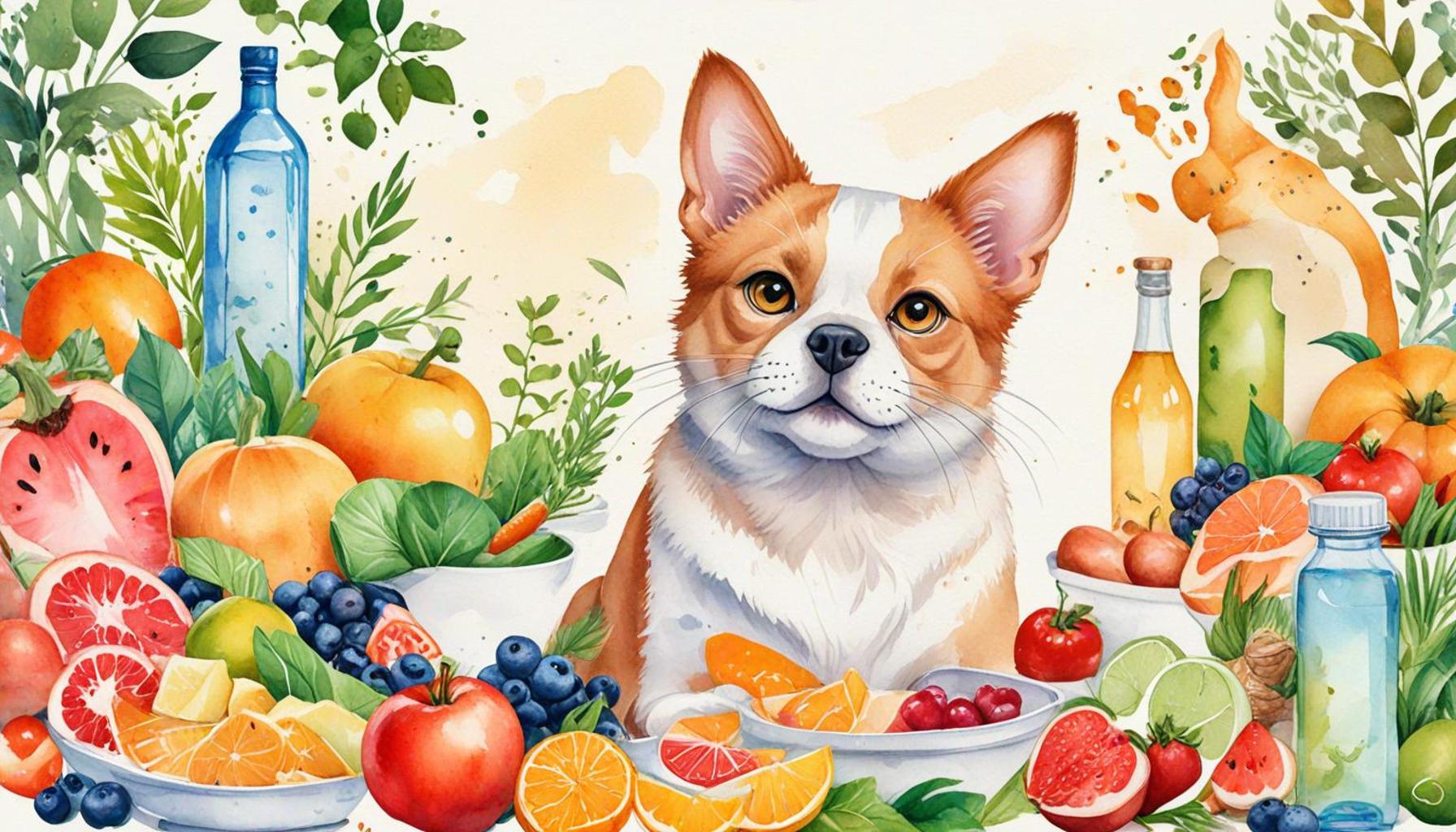
The Role of Pets in Promoting Healthy Habits Among Families

The Role of Pets in Family Life
In many households, a pet is more than just a furry buddy; they play a pivotal role in shaping family dynamics and overall health routines. The presence of a pet can encourage a more active lifestyle and foster healthier habits among family members, particularly in cultures like Nigeria where community and family are highly valued. Let’s explore how pets contribute to the well-being of families.
Physical Activity
Dogs are well-known for their need for regular walks and playtime, prompting families to engage in physical activities together. For instance, taking a dog to a local park not only provides the pet with an opportunity to exercise but also encourages family members to share quality time outdoors. A simple game of fetch can turn into a fun family event, allowing for bonding and laughter while promoting cardiovascular health. Additionally, these active moments encourage family members to pursue other physical activities like cycling or swimming, creating a culture of fitness.
Emotional Well-being
The emotional benefits of pet ownership are profound; caring for a pet can significantly reduce stress and anxiety levels. Many studies suggest that interacting with pets increases levels of oxytocin, the “feel-good” hormone, leading to improved mood and relaxation. For families, especially in high-stress environments, the presence of a pet can create a more peaceful home atmosphere. This is particularly relevant in Nigeria, where the hustle and bustle of everyday life can be overwhelming. The joy and laughter that pets bring can be a vital source of comfort and happiness.
Routine Establishment
Pets thrive on routine, which can inspire family members to synchronize their schedules for feeding, exercising, and caring for their furry friends. This regularity not only benefits pets but also instills a sense of responsibility and discipline in children. For example, a child tasked with feeding and caring for a pet learns to manage their own time, preparing them for future commitments in school and work.
Developing Life Skills
Research indicates that children raised with pets often develop increased levels of empathy and responsibility. The responsibilities involved in pet care can help children cultivate crucial life skills, such as:

- Time Management: Juggling schoolwork and pet duties teaches children the importance of prioritizing their commitments effectively.
- Nutrition Knowledge: As pet owners learn about animal nutrition, they often become more aware of their dietary choices, encouraging healthier eating habits within the family.
- Social Interaction: Pets can serve as excellent icebreakers, helping families forge connections with neighbors and other pet owners. In Nigeria, where social bonds are vital, pets can help initiate conversations and build lasting friendships.
The Growing Popularity of Pets in Nigeria
In recent years, the trend of pet ownership has surged in Nigeria, with many families recognizing not only the joy of having pets but also their positive influence on lifestyle and emotional health. Whether it’s a dog, cat, or even more exotic pets like birds and reptiles, the impact on family dynamics is undeniable. Pets encourage a shared sense of responsibility, offer companionship, and provide a source of unconditional love.
Understanding how pets can positively influence family habits opens doors to healthier living and stronger family bonds. By embracing pet ownership, families can enjoy an enriched home life that promotes happiness, health, and a sense of community—principles that hold immense value in the heart of Nigerian culture.
LEARN MORE: This related article may interest you
Enhancing Family Health through Pet Ownership
Pets have a unique way of bringing families together while simultaneously boosting their health and well-being. The bond shared with pets often transcends mere companionship, leading to a variety of healthy habits. In Nigeria, where families are deeply intertwined in community and tradition, this relationship has significant implications for creating healthier lifestyles. The influence of pets extends beyond emotional support; they actively encourage families to partake in physical activities, establish routines, and even inculcate life skills.
Encouraging Family Fitness
One of the most noticeable benefits of having a pet, particularly a dog, is the compelling need for regular physical exercise. Pets require daily walks, which in turn motivate family members to step outside and become more active. This activity is not purely beneficial for the pet; entire families discover the joy of exercising together. For instance, a weekend outing to a local park with a dog can foster *quality time*, promote cardiovascular health, and perhaps even bake in some fun competitions like racing each other. Such shared experiences not only keep everyone physically fit but also strengthen family bonds, creating an environment of active living that can be passed down to younger generations.
Addressing Mental and Emotional Health
The emotional benefits of pet ownership are equally notable. A pet can act as a non-judgmental presence that significantly alleviates stress and anxiety. Studies have shown that interacting with pets decreases cortisol levels (the stress hormone) and increases oxytocin, promoting feelings of happiness and relaxation. For many families in Nigeria, the stresses associated with day-to-day life can sometimes feel overwhelming. A loving pet can create a nurturing and serene atmosphere at home, offering a needed escape and a source of unconditional love and comfort.
Fostering Routine and Responsibility
Conclusion often forms around the cornerstone of routine, and pets thrive on that consistency. The essential habits surrounding pet care—such as feeding, grooming, and training—can invigorate family routines. Children, in particular, learn important lessons about routine management and responsibility. For example, a child who takes charge of feeding the family pet may start understanding the value of time management, as they balance these responsibilities with schoolwork and play. Such practical experiences are invaluable, teaching transitions from childhood to adulthood.
Building Social Skills and Relationships
The presence of pets within a household can also serve as a catalyst for social interactions. For families, meeting fellow pet owners can open doors to newfound friendships. Pets act as conversation starters, enhancing social opportunities in local parks, community events, and even pet care classes. In Nigeria, where community and social interaction are paramount, pets contribute to weaving tighter social fabrics, fostering a sense of belonging among neighbors.
Ultimately, the profound impact of pets on family dynamics is a testament to their role in promoting healthy habits among families. As families embrace pet ownership, they often find more than just a pet; they discover a partner in fostering fitness, emotional wellness, responsibility, and social connections.
As families continue to seek better ways to improve their health and well-being, pets have emerged as vital companions in promoting a more active lifestyle. One significant aspect that showcases the positive influence of pets is the encouragement of physical activity among family members. Engaging in activities such as walking the dog or playing fetch not only boosts cardiovascular health but also strengthens family bonds. Research reveals that pet owners are likely to achieve higher levels of daily exercise compared to non-pet owners, underscoring how pets serve as a motivation for families to remain active.
Additionally, caring for pets fosters responsibility and routine within family dynamics. Children can learn crucial life skills, such as empathy and time management, by participating in daily pet care tasks. This routine not only instills a sense of discipline but also promotes a healthy habit of structure in the household. The presence of pets has also been linked to reduced stress levels, which can further enhance overall family health. Interacting with pets has been shown to lower blood pressure and reduce feelings of anxiety, making them a source of emotional support as families navigate their daily challenges. The incorporation of pets into family life is not simply about companionship; it contributes significantly to mental and emotional health, enriching the quality of family interactions.
By understanding the comprehensive physical, emotional, and social benefits that pets bring to families, it becomes evident that incorporating a furry friend can lead to healthier habits and a more fulfilling family lifestyle.
| Category 1 | Category 2 |
|---|---|
| Physical Activity | Pets motivate families to engage in regular exercise, promoting cardiovascular health. |
| Emotional Well-being | Interacting with pets can lower stress and enhance emotional support within families. |
ADDITIONAL INSIGHTS: Expand your understanding here
Impacts on Dietary Habits and Nutrition
Pets can also play an integral role in shaping the dietary habits of families. The act of preparing pet food and understanding nutritional needs can create a ripple effect in family eating practices. When families invest time into learning about the best diets for their pets, they often turn a more critical eye on their own dietary choices. This is particularly relevant in Nigeria, where traditional dishes are rich in flavor but may not always align with modern nutritional guidelines.
Teaching Healthy Cooking and Meal Prep
Involving children in diet-related decisions for pets sets a precedent for engaging in meal preparation for themselves. For instance, families caring for dogs or cats may explore healthier food options, opting for fresh vegetables and lean proteins. This experience encourages healthy cooking habits as they realize that good nutrition applies to both pets and family members alike. By cooking meals from scratch for their pets, they may also discover new recipes they can replicate for themselves, reinforcing a culture of health-focused cooking.
The Psychological Connection between Food and Care
The act of feeding a pet often becomes a bonding experience. This practice can help children understand the psychological implications of food as not just sustenance but also as a source of love and care. As children learn how to feed and nurture pets, there’s a parallel understanding of the importance of fueling their own bodies with nutritious foods. Studies indicate that pet lovers tend to replicate this nurturing behavior, leading to more mindful eating practices among family members. In a country like Nigeria, where culture intertwines with culinary practices, these lessons can significantly contribute to healthier dietary decisions.
Strengthening Emotional Resilience through Interaction
Interacting with pets is known to boost emotional resilience, which can greatly influence family dynamics. Through caring for pets, children learn to deal with both joy and grief, reinforcing coping mechanisms when faced with life’s challenges. For example, families who have experienced the loss of a pet may find themselves discussing grief openly, creating an environment where emotions are acknowledged and validated. This level of emotional intelligence can lead to stronger familial relationships, empowering family members to support one another in various aspects of life, including health and wellness.
Promoting Hygiene and Sanitation Practices
The responsibility of pet ownership also extends into maintaining hygiene and sanitation in the household. Regular grooming and cleaning around pets require families to adopt better hygiene practices. Children engaged in these tasks learn to prioritize cleanliness—whether that means washing hands after petting a dog or ensuring that the living space is tidy and safe. In urban Nigerian settings, where issues like overcrowding may lead to the spread of disease, maintaining a clean home becomes crucial, thereby steering families towards healthier living environments.
As pets become integral parts of homes, families can embark on unique journeys that foster holistic well-being. With every aspect of daily life influenced by pet care, from nutrition to emotional health, the multifaceted advantages are clear and undeniable.
SEE ALSO: Click here to read another article
Conclusion
The presence of pets in a household is more than just a source of companionship; it acts as a catalyst for fostering healthy habits among families. From encouraging physical activity to instilling better dietary practices, pets enrich the lives of their owners in profound ways. The time invested in caring for these animals extends to developing emotional intelligence, as children learn valuable lessons in love, responsibility, and resilience through their interactions with pets.
Furthermore, the responsibility of pet ownership promotes an understanding of hygiene and cleanliness, which is particularly important in densely populated urban settings in Nigeria, where health concerns abound. By maintaining a hygienic home environment, families create a safer setting not just for themselves but for their furry companions as well. This conscientious approach to cleanliness can significantly reduce the risk of disease transmission, enhancing overall community health.
As families navigate the complexities of modern living, integrating pet care into daily routines provides an excellent opportunity for bonding, teaching, and learning. The role of pets transcends simple companionship, guiding families toward a lifestyle that prioritizes emotional well-being, physical health, and nutritious eating habits. Moving forward, recognizing the multifaceted benefits of pet ownership may inspire families across Nigeria to embrace these four-legged friends as allies in the pursuit of a healthier, happier life.
In conclusion, the insights gained from engaging with pets offer a treasure trove of lessons that can lead to healthier family dynamics. As we consider the roles our pets play in our lives, it’s vital to explore these themes further, recognize their significance, and unlock the potential for improved health and happiness within our families.