How Social Interaction Affects the Behavior of Pets
Understanding Socialization in Pets
The interactions that pets engage in with humans and other animals create a vibrant tapestry of social dynamics that significantly impacts their overall well-being. For pet owners, acknowledging the influence of these interactions on behavior is instrumental in fostering a harmonious living environment. Each encounter or experience can shape a pet’s personality, influencing everything from their confidence levels to their health.
Confidence Building Through Interaction
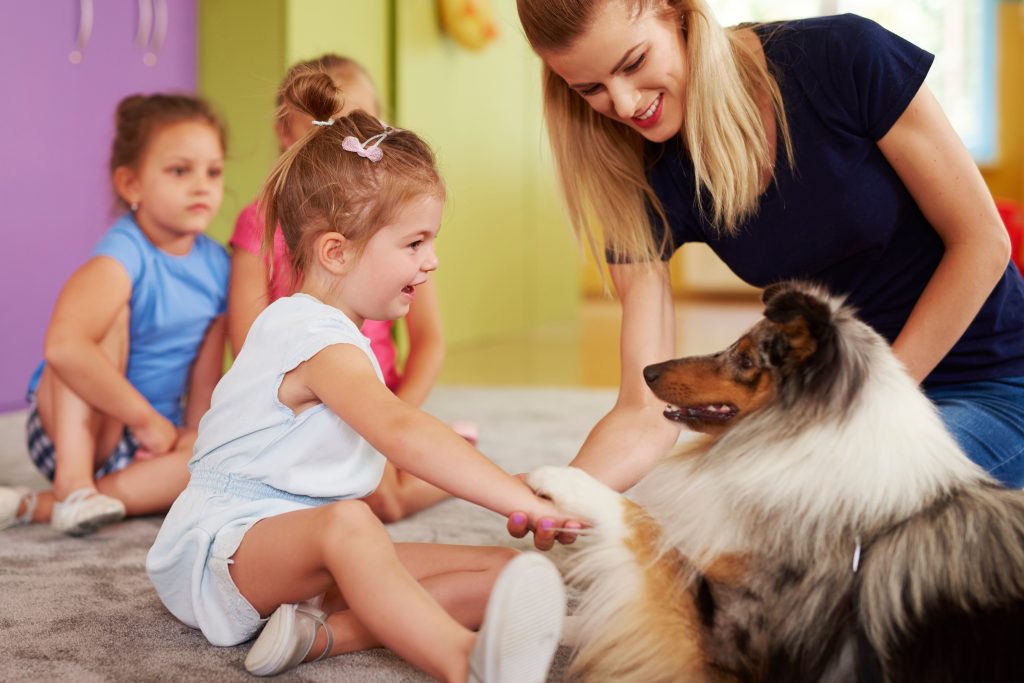
Confidence Building: Social interactions effectively bolster a pet’s confidence. For example, dogs that regularly meet new people and other dogs during walks or at parks are more likely to exhibit a calm demeanor and an open attitude. In contrast, pets that are isolated or have limited interactions may develop anxiety or fear in unfamiliar settings. In Nigeria, it’s common to see children playing with dogs; such interactions can result in a dog that is not just confident but also friendly, displaying a willingness to engage with new experiences.
Behavior Modification in Pets
Behavior Modification: Social exposure can also lead to alterations in behavior. For instance, a dog that experiences gentle and positive encounters is less likely to exhibit aggression and may learn to trust more easily. Conversely, if a pet has a negative experience—like being startled or frightened by a loud noise or an aggressive dog—they may develop fear-based aggression. In this context, it’s crucial for pet owners to ensure their pets are gradually and gently exposed to new experiences in a controlled manner, particularly in dynamic environments such as busy markets or community gatherings popular in Nigerian urban areas.
Health Benefits Linked to Socialization
Health Implications: The effects of social interaction extend to the physical health of pets. Pets that have regular contact with other animals or people often exhibit reduced stress levels, which translates into better health markers. Lower stress can lead to a strengthened immune system and a longer lifespan. For instance, during festive periods in Nigeria, when communities come together, pets that are integrated into these social environments can experience a boost in mood and health. This exemplifies how positive socialization contributes not just to behavior but to the vitality of pets.
The Varied Experiences of Different Pets
It is equally important to note that while many pets thrive in social settings, others may find such interactions overwhelming. For example, a dog in Nigeria might joyfully partake in play with children, whereas a cat may prefer the comforting retreat of home, avoiding contact altogether. Understanding these differences is vital to nurturing the unique character of each pet. Owners must cater their approaches based on the specific needs and comfort levels of their pets, ensuring that socialization does not merely push them beyond their limits but enhances their quality of life.
As we delve deeper into the nuances of socialization in various species, it is fascinating to observe how these dynamics unfold. From building confidence to ensuring robust health, the power of social bonds forms the crux of nurturing happy and well-adjusted pets. Join this exploration to uncover practical strategies that can help improve the social experiences and overall happiness of your furry companions.
RECOMMENDED: Check out this similar article
The Role of Play in Socialization
Playtime serves as a cornerstone for social interaction among pets, creating essential opportunities for them to bond and develop behavioral skills. Engaging in play allows pets, especially dogs, to express their natural instincts while navigating social cues in a safe environment. Observing these playful interactions can also reveal much about a pet’s personality and behavioral tendencies. In Nigeria, where community gatherings and festivities often include pets, the opportunities for social play abound, illustrating how integral these experiences are to their development.
Types of Play and Their Impact on Behavior
There are various types of play, and they have distinctive effects on a pet’s behavior:
- Physical Play: This includes chasing balls, tug-of-war, and wrestling, which helps build physical strength and coordination. Engaging in physical play not only keeps pets fit but also reduces anxiety and fosters a sense of security.
- Social Play: Interactions with other dogs or animals create a learning platform for understanding social cues. For instance, a puppy that participates in social playgroups is more likely to learn appropriate behaviors and how to communicate effectively with others.
- Imaginative Play: Activities involving toys or objects that require cognitive engagement can lead to problem-solving skills. For example, dogs that learn to navigate puzzle toys through interaction may develop patience and resourcefulness.
The essence of play is not just for entertainment; it significantly molds behaviors that shape a pet’s interactions with their environment. Working through various play styles enables pets to refine their social skills, learn boundaries, and cultivate friendships that transcend their immediate surroundings.
Observing Behavioral Changes
As pets engage in regular play and social interactions, pet owners may notice various behavioral changes. For example, a dog that previously exhibited shyness around strangers may transform into a social butterfly after consistent positive experiences at dog parks or during community events. Alternatively, pets that lack social interaction may exhibit signs of aggression or withdrawal, impacting their quality of life. Understanding these behavioral changes is vital for addressing issues early and enhancing a pet’s experience in social situations.
The energy and vibrancy during social play can spark joy and create lasting memories for both pets and their owners. Moreover, Nigeria’s rich culture, with its emphasis on family and community, mirrors the way pets crave social interaction. As owners commit to facilitating these experiences, they play a pivotal role in steering their pets towards a healthier, happier behavior profile.
Commitment to Socialization
The commitment to ensuring regular socialization is not just a task; it is a journey that requires dedication and understanding of a pet’s unique needs. As owners, adjusting social encounters to align with their pet’s comfort levels can lead to more enriching relationships. Whether it’s through community events, playdates, or simply engaging with friends while walking their dogs, the effort devoted to nurturing socialization will ultimately reflect in the behavior and health of pets.
Exploring these dynamics further unveils the transforming power of socialization and how it can enhance the lives of pets, creating a happier, more balanced existence. Understanding these interactions empowers pet owners to foster positive environments conducive to mental, emotional, and physical well-being.
Understanding how social interaction influences pet behavior is crucial for owners striving to enhance their pets’ well-being. Pets are inherently social creatures, and their interactions with humans as well as other animals play a profound role in shaping their temperament and behaviors. Research shows that positive social experiences can lead to reduced anxiety and depression in pets. This effect is particularly evident during puppy and kitten stages, where early socialization significantly impacts future behavior and adaptability.
For dogs, regular interaction with other dogs and humans fosters a sense of security and can diminish aggressive tendencies. Training sessions, play dates, and community dog events are excellent opportunities to expose them to varied social settings. Similarly, cats, often deemed solitary animals, also benefit from socialization. Engaging in play-like activities with their owners or having compatible feline companions can alleviate stress and encourage a more playful demeanor.
Moreover, the bond between pets and their owners can enhance behavioral responses. Pets that have strong attachments to their human companions often showcase loyalty and exhibit obedience more readily. This affectionate relationship influences not just their conduct but their overall health. Increased interactions, whether through play or training, can stimulate physical activity, leading to better health outcomes.
Through this lens, social interactions are not just trivial engagements but vital elements that influence a pet’s emotional framework and behavior. It opens a world of exploration and enrichment that is essential for the development of a well-adjusted pet.
| Category | Key Features |
|---|---|
| Socialization | Enhances adaptability and reduces fearfulness. |
| Bonding | Strengthens loyalty, fostering better communication. |
Pet owners are encouraged to promote positive social interactions, ensuring a robust emotional and behavioral foundation for their furry companions. As we delve deeper into this topic, it becomes evident that social interactions yield profound effects, meriting attention and consideration in pet care practices.
CHECK OUT: Click here to explore more
The Influence of Human Interaction
Human interaction plays a crucial role in shaping the behavior of pets, as they often look to their human companions for guidance on how to navigate social settings. From the moment a pet enters a home, it begins to absorb cues from its owners through tone of voice, body language, and day-to-day interactions. For example, a puppy raised in a welcoming environment with positive human engagement is likely to develop a trusting demeanor, while a pet that receives little attention may grow anxious or aggressive in social contexts.
The Power of Training and Obedience
Training sessions are a powerful form of social interaction that can positively influence a pet’s behavior. When owners invest time in teaching their pets commands and tricks, it not only establishes boundaries but also reinforces the bond between pet and owner. Clear expectations facilitate a pet’s understanding of acceptable behavior. In Nigeria, where dog training schools are gaining popularity, many owners are beginning to understand the value of structured socialization through training. These sessions provide excellent opportunities for pets to interact with other animals and people in a controlled setting.
- Basic Commands: Teaching commands like ‘sit’, ‘stay’, and ‘come’ creates structure in a pet’s life. Pets that respond well to these commands often feel more secure and confident in social settings.
- Socialization Classes: Many communities offer group classes that expose pets to novel experiences and diverse human interactions. These classes not only build confidence but also help reduce anxiety and fear, particularly for breeds known to be more timid.
- Positive Reinforcement: The use of treats and praise during training instills a sense of achievement in pets. This positive feedback loop encourages pets to repeat good behavior and enhances their willingness to engage socially.
Understanding Body Language and Communication
Pets, particularly dogs, are exceptionally adept at interpreting human emotions through body language. For instance, a friendly approach, such as bending down to a pet’s level, can convey trust and reassurance, enticing them to engage more openly. Conversely, a tense posture may lead to misunderstandings, triggering fear or defensive behavior. Recognizing these non-verbal cues is particularly vital in a country like Nigeria, where diverse cultures mean varied traditions regarding pet treatment and interaction.
Moreover, communities often host events and forums discussing responsible pet ownership. These gatherings foster understanding, allowing pet owners to learn from one another and demonstrate best practices. This sharing of knowledge enhances socialization not just for the pets but also for their owners, promoting a culture of empathy and responsible pet care.
The Importance of Consistency
Consistency in interactions is key to nurturing positive behavior in pets. Establishing a routine that includes regular socialization, training, and quality time can significantly impact a pet’s confidence and behavior. Lack of consistency may lead to confusion, as pets thrive on predictability. Available resources, such as pet training courses, workshops, and engaging community activities, help foster an environment conducive to stable behavioral development.
In essence, enriching the lives of pets through consistent and enriching human interaction leads not only to improved behavior but also cultivates deeper emotional connections. As pet owners in Nigeria continue to embrace the cultural significance of pets in their households, the ripple effects of positive social interaction can reshape the experiences of both pets and their families, leading to a harmonious coexistence.
ADDITIONAL INSIGHTS: Expand your understanding here
Conclusion: The Lasting Impact of Social Interaction on Pets
In conclusion, the way pets behave is profoundly influenced by their social interactions with humans and other animals. The insights discussed throughout this article highlight the undeniable link between human interaction, training and obedience, and body language communication. The nurturing relationships that pet owners cultivate through attentive engagement can foster resilience, confidence, and a sense of belonging in their pets. Moreover, engaging in training and socialization activities not only fosters a well-behaved pet but also enhances the attachment and emotional bond between pet and owner.
In Nigeria, as awareness around responsible pet ownership grows, there is an increasing reliance on community resources such as training schools and socialization classes. These resources empower pet owners to better understand the unique needs of their pets, thereby fostering a healthier environment for both parties. It is essential for owners to learn how to communicate effectively with their pets, utilizing consistent approaches to further reinforce positive behavior.
Ultimately, improving social interactions among pets, their owners, and the broader community goes beyond mere companionship; it enriches the lives of both pets and people. By investing in quality time, understanding body language, and establishing structured routines, we lay the foundation for happier, more well-adjusted pets. As Nigerians continue to redefine the role of pets within their homes, the focus on social interaction will remain pivotal in shaping behaviors that lead to a harmonious and fulfilling coexistence.